

Key considerations when procuring an M&E consultant, from providing clear briefs to appointing early and understanding existing building constraints. Practical lessons from real building services projects.
Most M&E consultant mistakes don’t show up at the start of a project.
At the stage of appointment, everyone is trying to keep things moving. The team has agreed the budget, the brief is in place (at least on paper), and the programme is already under pressure. On the surface, everything usually looks reasonable.
The problems tend to surface later once the building is opened up, or once site work exposes what wasn’t fully understood at the beginning.
With the introduction of the Building Safety Act and the gateway approval process for Higher-Risk Buildings, the consequences of early design assumptions have become even more significant.
Changes that may previously have been resolved during construction now require further review and approval, making early design coordination and clear project requirements more important than ever.
We see this pattern regularly across healthcare, education, local authority and industrial estates work. Different sectors, different buildings, same early-stage issues.
1. Appointing an M&E consultant without a properly defined brief
Teams often start design work before they have fully developed the brief. This is one of the most common issues.
Programme pressure or funding deadlines often push teams to begin design work while they are still defining the project.
As one client put it:
“We don’t know what we don’t know at the start of a project.”
When that happens, assumptions fill the gaps. And those assumptions often don’t hold up once work starts on site.
As a result, projects usually face design changes, shifting requirements, delays to approvals and rework. These are consequences that better early-stage preparation could have avoided.
Good procurement doesn’t always mean waiting longer. It means getting the right people involved early enough to help shape the brief properly.
2. Selecting M&E consultants on lowest cost
Cost will always matter, but M&E consultant procurement mistakes often begin when price becomes the main driver.
A lower fee typically means less time allowed for coordination, site investigation, design development and senior oversight.
That doesn’t always show immediately. It tends to show later, when issues take longer to resolve or when scope gaps appear during delivery.
A common comment we hear is:
“You pay for what you get.”
The issue isn’t cost alone. It’s whether the fee actually reflects the complexity of the building and the expectations of the project.
The fee is usually low compared with the design decisions a good consultant can make on design selections and ultimately operating costs.
3. Appointing M&E consultants too late
Teams still make key design decisions before bringing in M&E consultants. This late appointment remains a recurring issue.
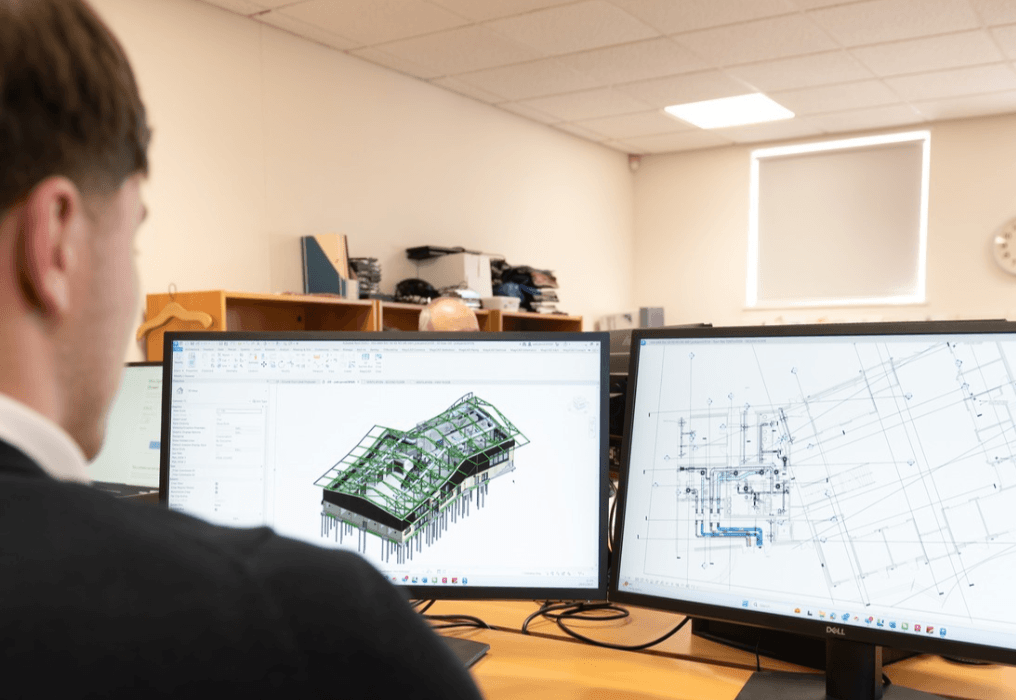
By that point, earlier decisions have fixed the plant space and constrained service routes. As a result, fewer system options remain.
This is particularly challenging in refurbishment and decarbonisation projects, where existing building constraints already reduce flexibility.
Early M&E input helps shape decisions. Late appointment forces compromise.
4. Relying on contractors to resolve design gaps
There is still a tendency on some projects to leave detailing and coordination to contractors on site.
That approach creates risk, particularly around service penetrations, fire stopping and coordination of multiple building systems.
Design anything that affects compliance or building performance properly, rather than leaving it open to interpretation during installation.
The industry expectation has shifted significantly in this area, particularly post-Grenfell, and procurement needs to reflect that.
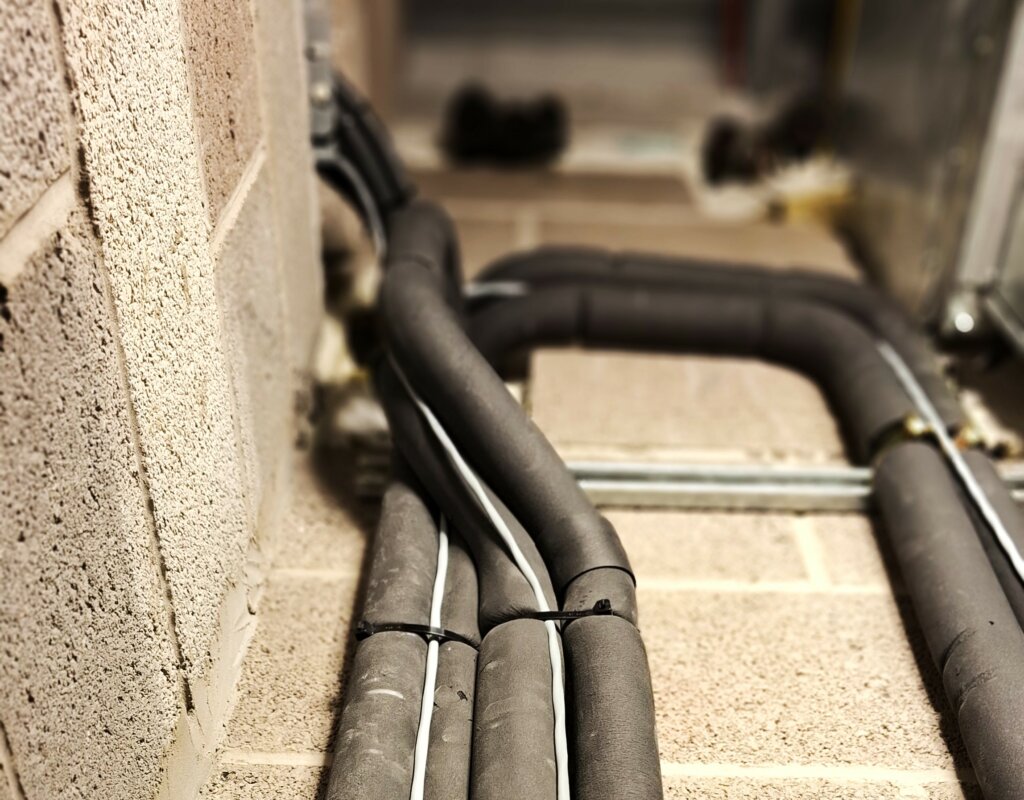
5. Understanding High-Risk Buildings and the Building Safety Act
The Building Safety Act has significantly changed how project teams design and deliver higher-risk residential buildings, as well as the approval process those buildings must undergo.
For qualifying Higher-Risk Buildings (HRBs), the gateway process requires review and approval of design information before construction can progress. Project teams must demonstrate that they have properly addressed building safety considerations from the outset, rather than leaving them to resolve during construction.
Historically, some design decisions could be refined or altered once work started on site. Today, significant changes can require further review and approval through the regulatory process, creating programme implications and additional risk if the original design has not been fully coordinated.
This places greater importance on developing robust building services designs at the earliest stages of a project.
For M&E systems, this includes:
- Fire and smoke control strategies
- Service penetrations and compartmentation
- Ventilation and life safety systems
- Plant space requirements
- Coordination between mechanical, electrical, architectural and structural disciplines
Where design information is incomplete or insufficiently coordinated, changes later in the project can become costly and time-consuming.
The lesson for clients is simple: invest the time to get the design right first. Early consultant involvement, thorough coordination and adequate design development are now more valuable than ever, particularly on complex or higher-risk buildings.
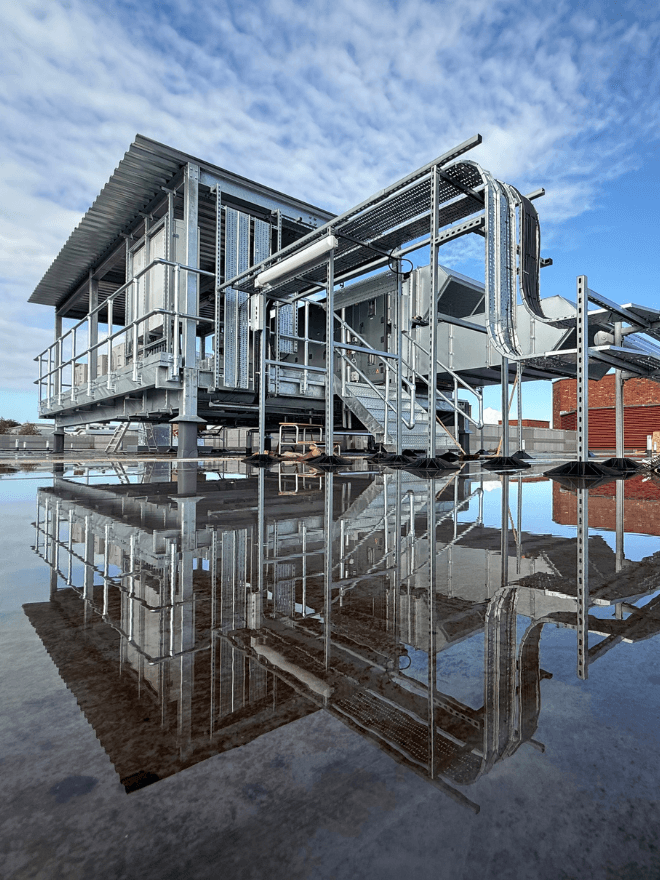
6. Underestimating existing building constraints
Existing buildings rarely behave exactly as drawings suggest.
Common issues include:
- unknown service routes
- limited access
- structural constraints
- and previous unrecorded alterations
Even with surveys, there is always an element of uncertainty.
M&E consultant procurement mistakes often occur when this risk is not properly considered at appointment stage, leading to unrealistic programmes and assumptions.
Getting procurement right from the start
Misaligned expectations at the point of appointment cause most of these issues, not poor technical delivery.
The projects that run more smoothly tend to have:
- Early technical involvement
- A clear, developed and realistic brief
- Proper allowance for coordination and design development
- Consultants engaged at the right stage, not simply the earliest available stage
- Sufficient time to fully coordinate building safety requirements where applicable
It is not about over-engineering procurement. It is about recognising where the complexity and risk actually sit.
Teams often have to make necessary decisions under pressure. The resulting M&E consultant issues frequently emerge later as programme delays, redesign work, approval issues and site challenges.
With the introduction of the Building Safety Act and the increased scrutiny placed on higher-risk buildings, the cost of getting the design wrong has become even greater. Investing in the right design team, at the right time, with the right level of information, gives projects the best chance of achieving compliance, controlling risk and delivering successful outcomes.
Find out more about our M&E Consultant services and how we can support your next project.