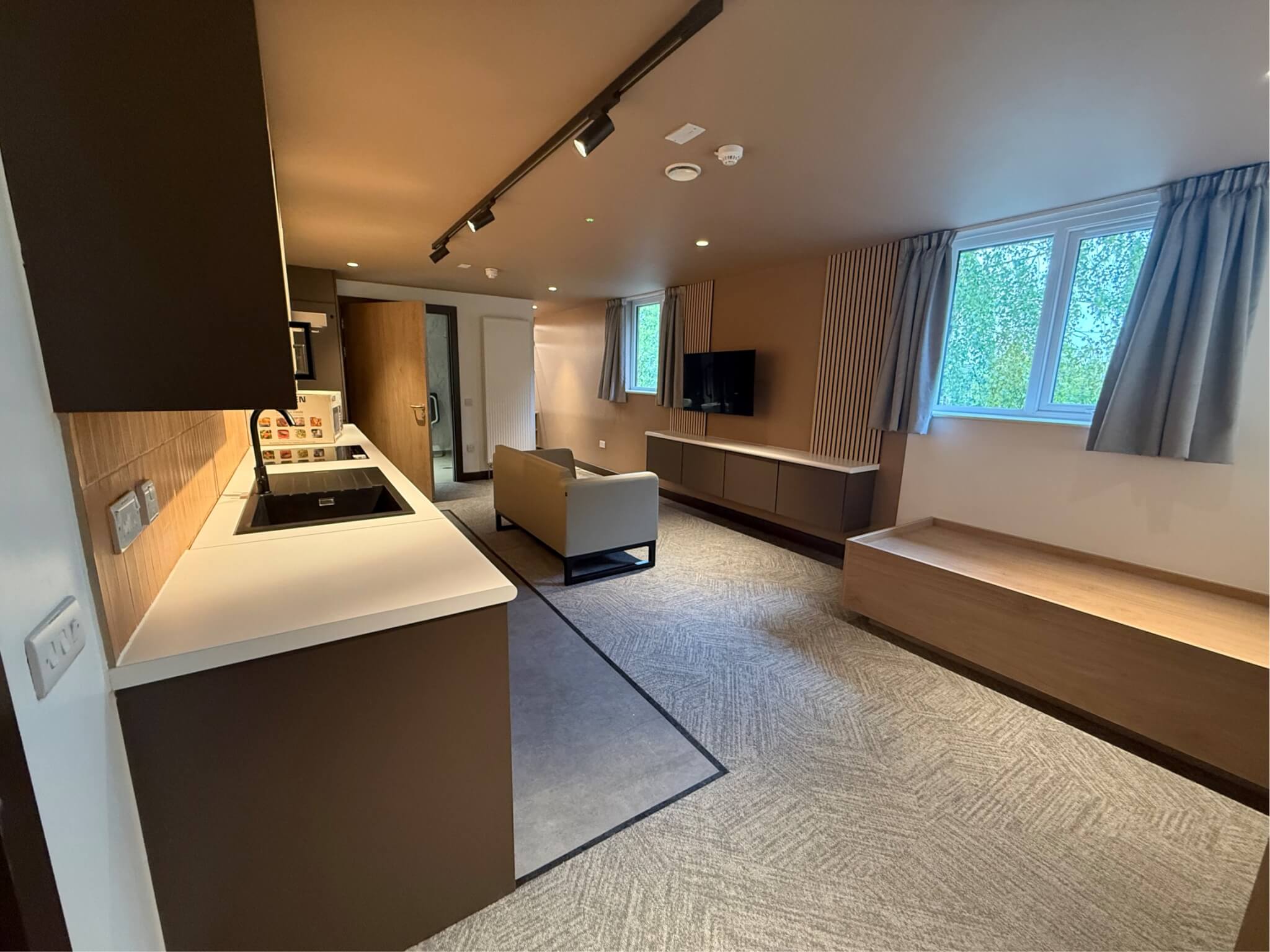
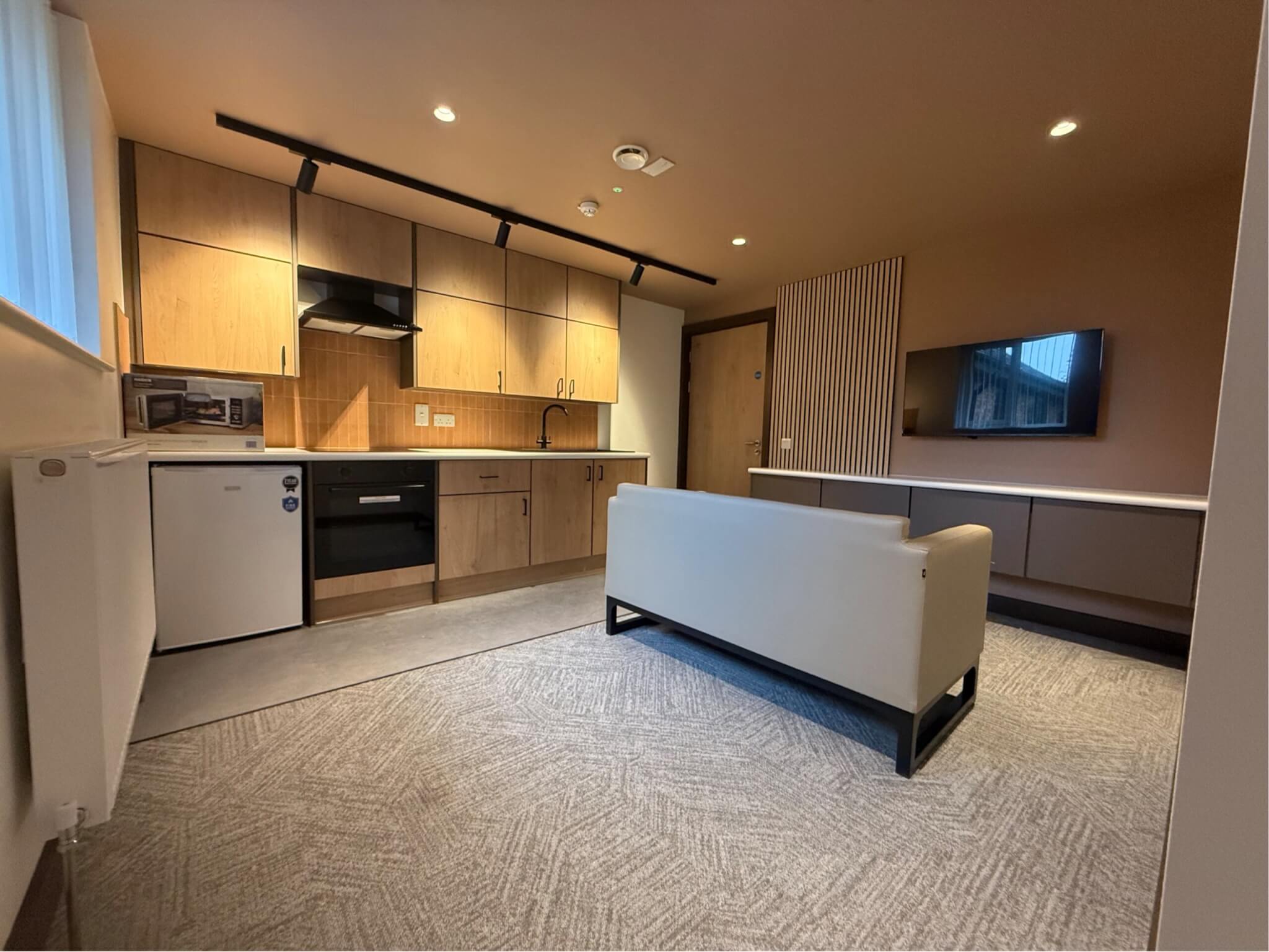
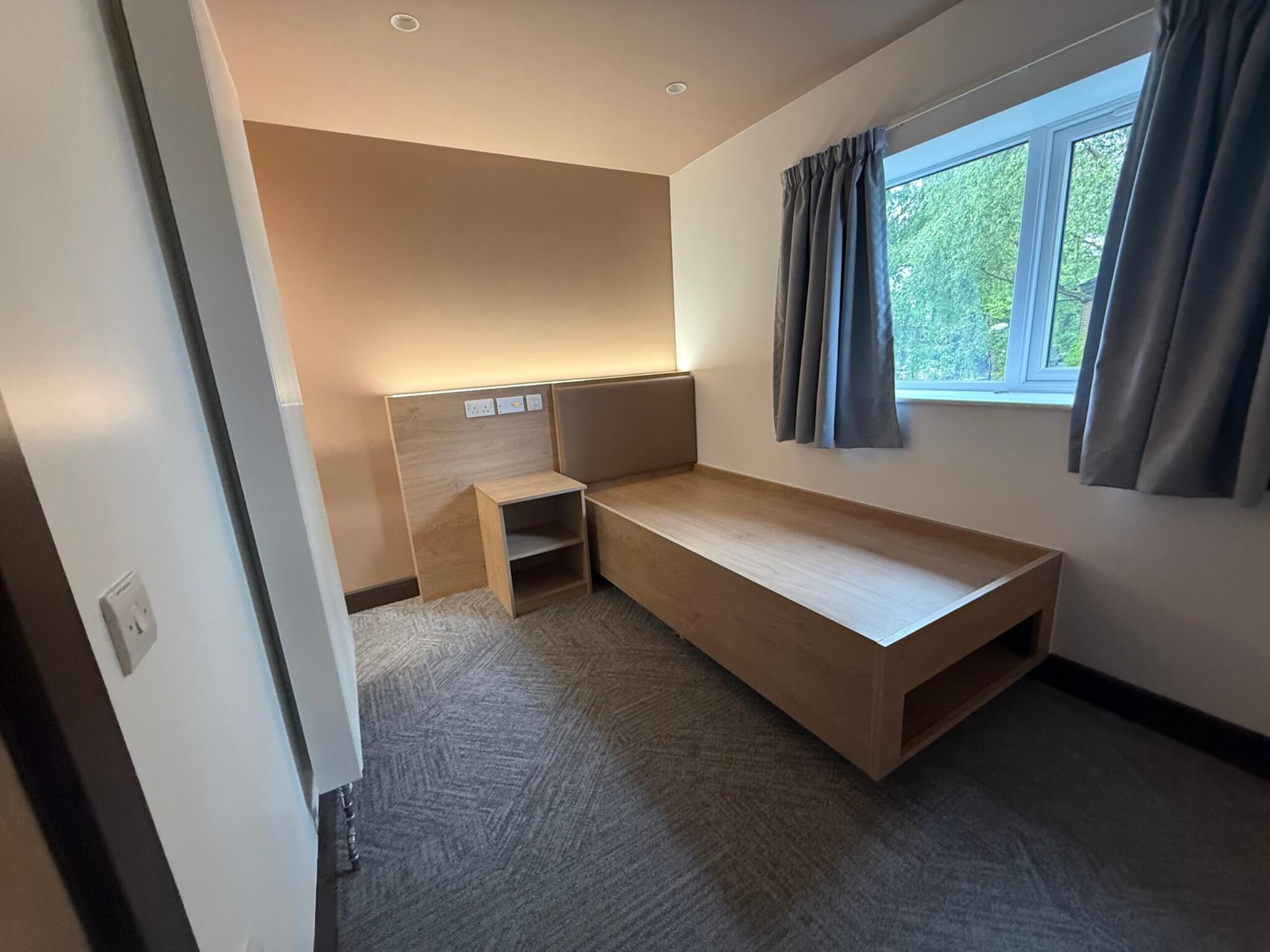
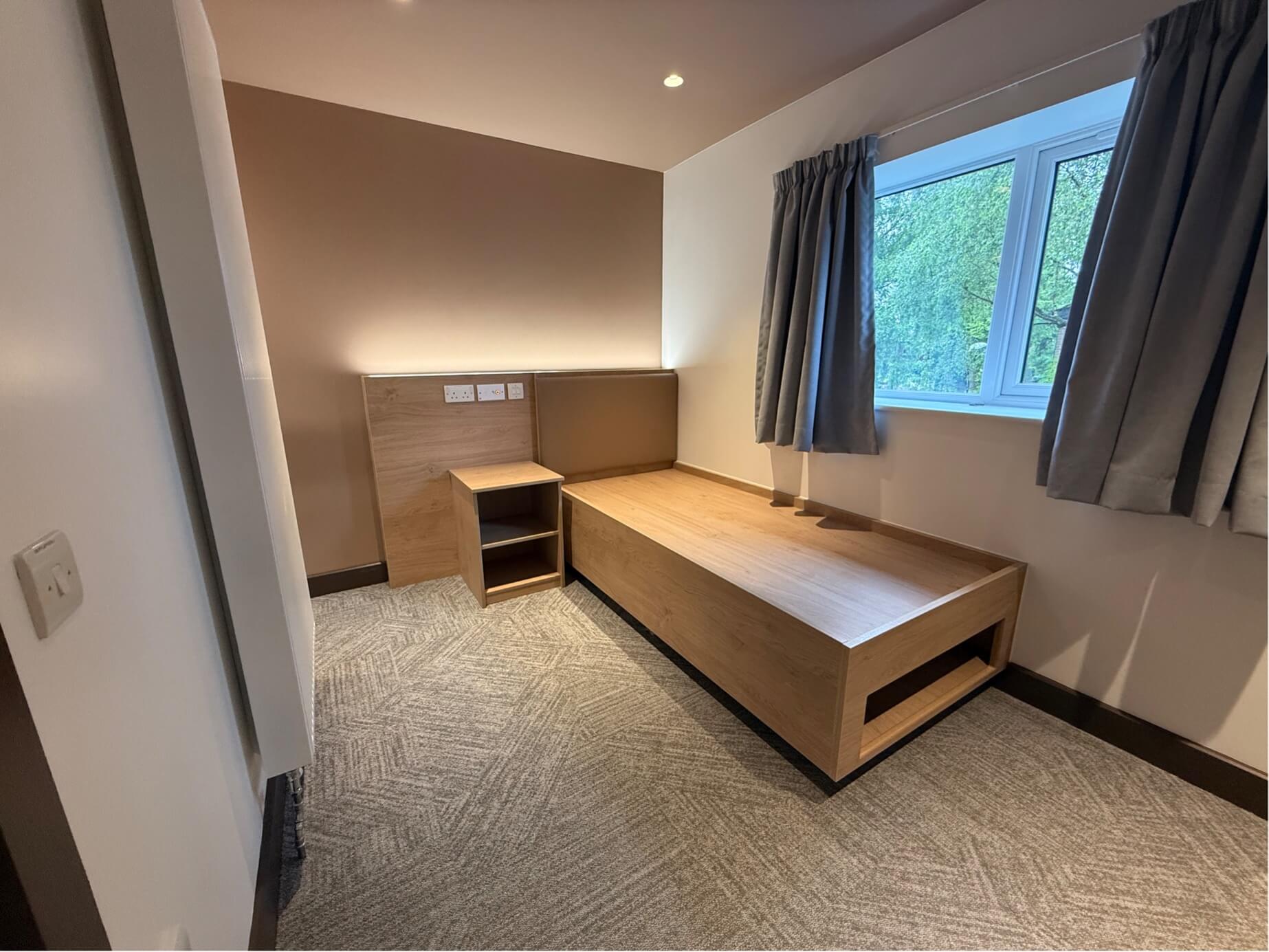
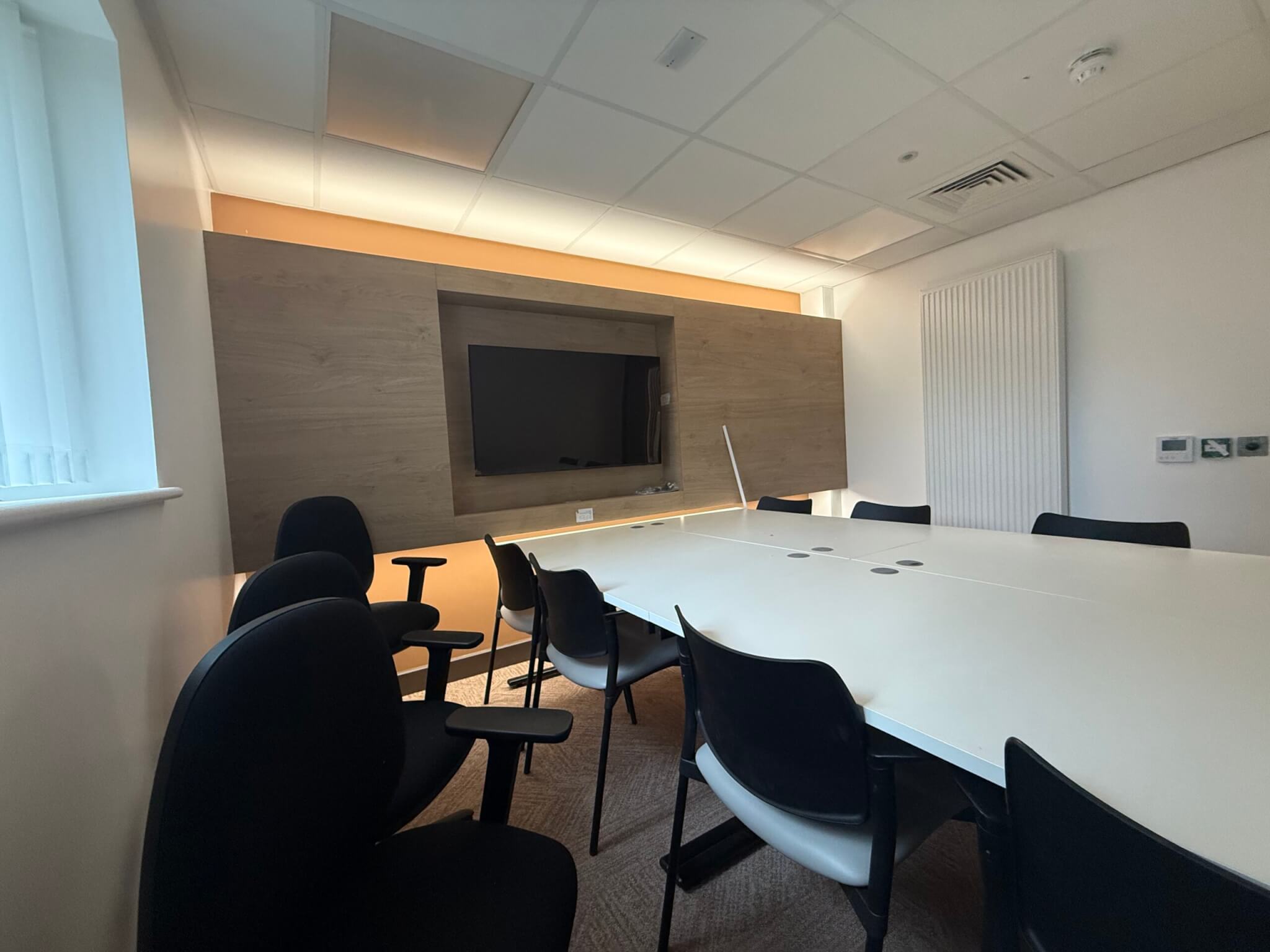
Park House is a mental health facility in Greater Manchester. The project involved the refurbishment of a derelict building into mental health supported accommodation for people preparing to return to independent living. The project formed part of a wider NHS England funded initiative to create high-quality transitional accommodation that feels welcoming and homely rather than institutional.
PSA provided mechanical and electrical design services from RIBA Stages 4 to 6, supporting the delivery of seven self-contained flatlets, including an accessible apartment. Despite evolving project requirements and challenging programme deadlines, the PSA design team delivered modern building services that support both residents and staff while creating a comfortable environment for recovery and rehabilitation.
CLIENT: Greater Manchester Mental Health
LOCATION: Manchester
VALUE: £4m
SERVICES: Mechanical & Electrical Consultant
RIBA STAGES: 4-6
COMPLETED: Summer 2026
SECTOR: Healthcare | Mental Health Supported Accommodation
CLIENT OBJECTIVES FOR MENTAL HEALTH SUPPORTED ACCOMMODATION
Greater Manchester Mental Health NHS Foundation Trust wanted to create supported accommodation. The new facility would help service users reintegrate into everyday life, following treatment within acute mental health facilities. Therefore, the accommodation needed to provide residents with greater independence while maintaining suitable facilities and support infrastructure.
The brief required a non-clinical environment that felt more like a residential development than a healthcare building. As a result, each flatlet required modern amenities including kitchens, en-suite facilities and communications infrastructure. In addition, accessibility was also a key consideration, with one apartment designed specifically to support wheelchair users.
The project was funded through NHS England and therefore had strict programme deadlines. To achieve this, the design progressed while aspects of the building layout remained under development, creating additional pressure on the delivery team.
OUR SOLUTION
PSA provided mechanical and electrical design services throughout the detailed design, construction and commissioning stages of the project.
The design incorporated building services that support independent living while maintaining the operational requirements of a healthcare environment. Consequently, particular emphasis was placed on creating a welcoming setting rather than a clinical atmosphere.
Key elements included in the design:
- Mechanical and electrical design from RIBA Stages 4 to 6
- Lighting and power design throughout the development
- Structured cabling and data infrastructure
- A new communications room serving the accommodation
- Building services for seven self-contained flatlets
- Accessible facilities including a rise-and-fall worktop for wheelchair users
- Utility upgrades to accommodate increased electrical demand from multiple kitchens and appliances
- Addressable emergency lighting with central monitoring capabilities
One of the key challenges, in order to meet the tight deadlines, involved progressing the design before the final building layout had been confirmed. PSA worked closely with the wider project team, continually reviewing and updating the design as information became available. Additional utility upgrades were also required to support the increased power demand created by the new accommodation. Coordination with utility providers was particularly challenging because of the site’s proximity to Trafford General Hospital and nearby emergency vehicle routes.
THE OUTCOME
Seven self-contained apartments now offer high-quality accommodation with modern building services, communications infrastructure and improved accessibility. Through proactive design coordination and close collaboration with the project team, PSA helped maintain momentum despite evolving requirements and changing programme constraints.