Building Services Feasibility
Engineering insight at the start of your project
A building services feasibility study provides early engineering insight into the mechanical and electrical infrastructure of a building, helping project teams understand the opportunities, constraints and potential costs before progressing into detailed design.
Successful building projects start with a clear understanding of what is technically possible. Avoid on-site surprises and costly mistakes.
At PSA, we support clients and design teams during the earliest stages of a project, helping to shape practical engineering solutions that work first time.
Building Services shouldn't be an afterthought
Building services are sometimes considered later in the design process, once architectural designs have already been developed.
However, mechanical and electrical systems can represent a significant proportion of project cost and play a major role in how a building performs.
When engineering considerations are introduced too late, projects can encounter:
- insufficient plant space
- infrastructure capacity constraints
- costly redesign
- programme delays
- increased capital cost
Increasingly, project teams are recognising the importance of involving building services engineers earlier in the design process.
Furthermore, our team supports projects from RIBA Stage 1 (Preparation and Brief) and RIBA Stage 2 (Concept Design), ensuring building services are considered from the outset.
Building Services Feasibility within the RIBA plan of work
Building services feasibility studies typically supports the early stages of the RIBA Plan of Work, helping project teams understand the technical and infrastructure considerations that may influence the design.
Strategic Definition
- Assessing project viability
- Identifying infrastructure constraints
- Reviewing existing building services capacity
- Exploring strategic engineering options
Preparation and Brief
- Developing a building services strategy
- Identifying plant space requirements
- Reviewing energy and decarbonisation opportunities
- Informing project briefs and budgets
Concept Design
- Exploring mechanical and electrical system options
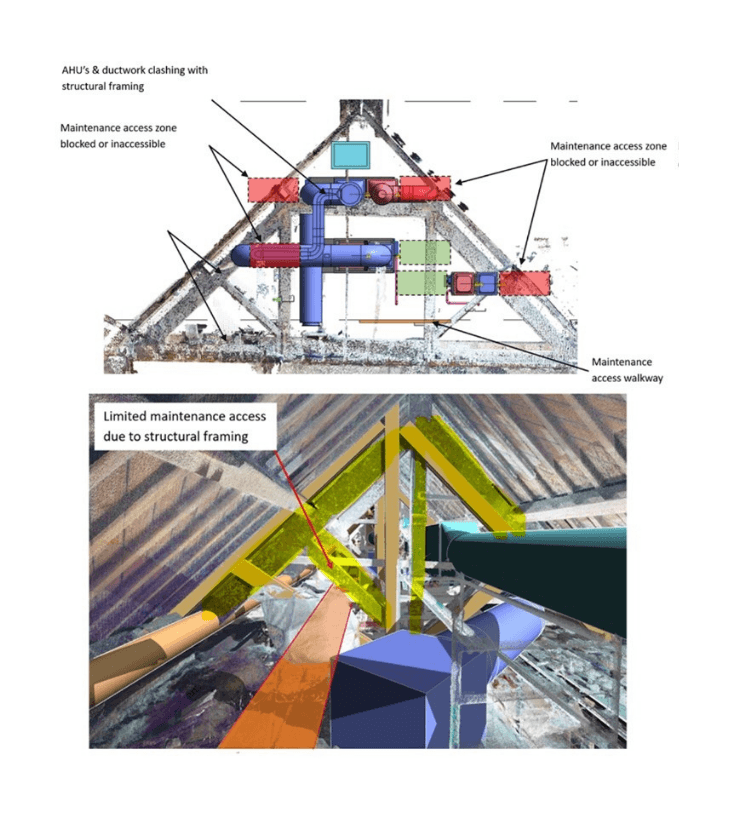
- Assessing plant space and distribution routes
- Supporting architectural concept development
- Providing early cost and infrastructure guidance
Early engineering input helps ensure projects progress into detailed design with a clear and deliverable servicing strategy.
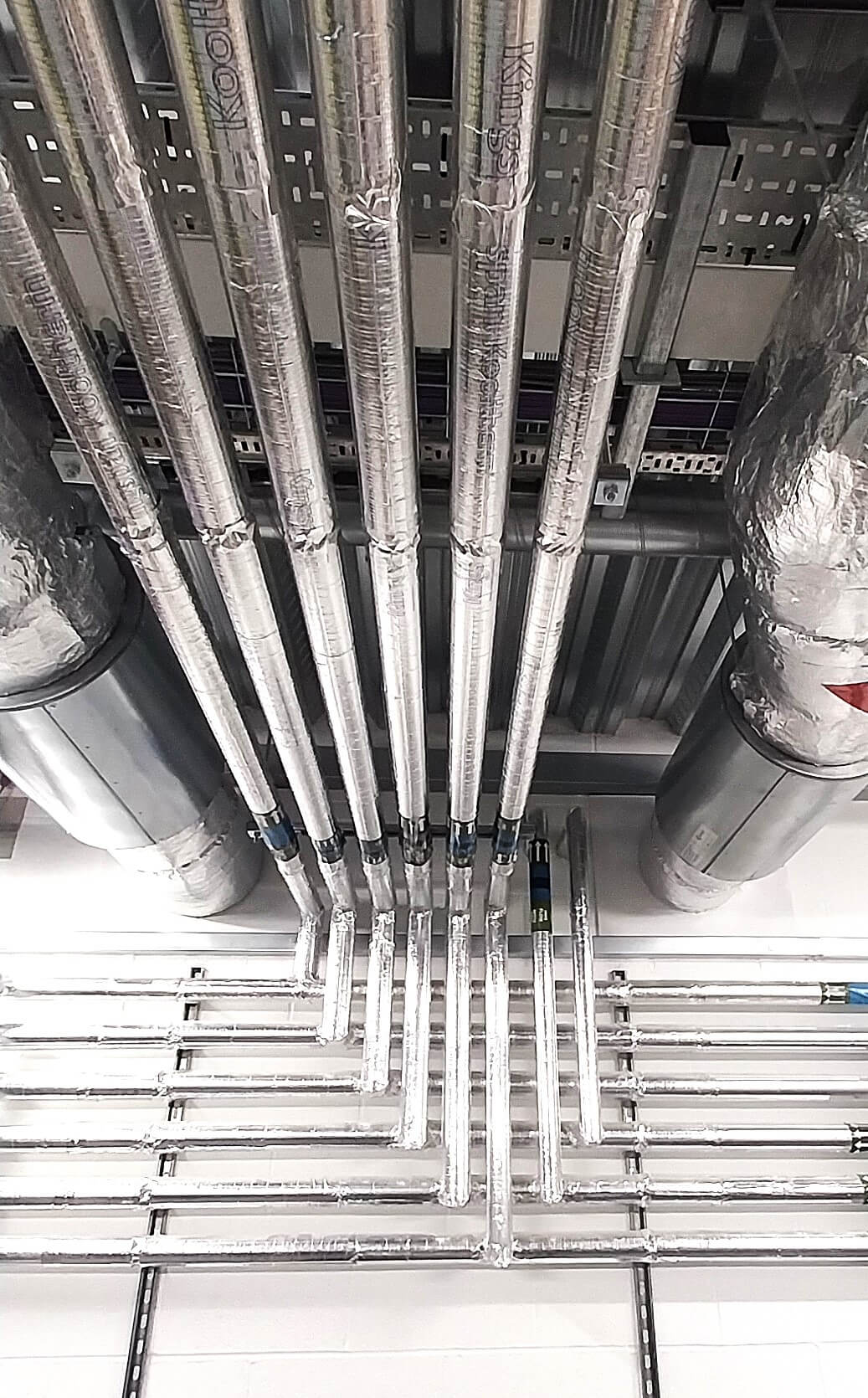
What our Feasibility Studies include
Each feasibility study is tailored to the building and project requirements, but typically includes:
Assessment of existing infrastructure
We start with looking at the mechanical and electrical system condition, the available plant capacity and the electrical distribution and infrastructure constraints.
Engineering strategy options
Then we research and explore the different options for Heating, cooling and ventilation, electrical distribution and resilience and the different energy efficiency and low-carbon solutions.
Spatial requirements
Plant room space requirements, service distribution routes and integration with the building layout are all explored and researched thoroughly.
Project considerations
Lastly, we consider the bigger picture and how all of the above fits into your requirements, such as, high-level cost guidance, infrastructure risks and constraints and phasing and implementation considerations.
Our studies provide clear, practical engineering advice that supports early project decision-making.
When is a Building Services Feasibility Study needed?
Refurbishment, building upgrades and/or change of use
When refurbishing an existing building, it is important to understand whether the current mechanical and electrical infrastructure can support the proposed changes.
A feasibility study can assess:
- the capacity of existing plant and distribution systems
- whether upgrades or replacements will be required
- how new services can be integrated within the existing building
Decarbonisation and energy improvement projects
Many organisations are exploring ways to reduce carbon emissions and improve the energy performance of their buildings.
A feasibility study can evaluate options such as:
- heat pump systems
- low-carbon heating strategies
- energy efficiency improvements
- upgrades to electrical infrastructure
This helps organisations understand the practical implications and costs of different decarbonisation strategies.
Estate planning and infrastructure upgrades
For large estates such as universities, hospitals or manufacturing facilities, it is often necessary to understand the wider infrastructure implications of new projects.
A feasibility study can assess:
- electrical capacity across the site
- opportunities for infrastructure upgrades
- how future developments may affect existing systems
This supports long-term estate planning and investment decisions.
Plant replacement projects
Buildings that contain ageing mechanical and electrical plant that must eventually be replaced.
A feasibility study helps identify:
- suitable replacement strategies
- plant space requirements
- opportunities to improve efficiency or resilience
- potential disruption during installation
Supporting early project planning
Feasibility studies are often commissioned to support early discussions with:
-
- architects
- project managers
- cost consultants
- estates teams
They provide engineering insight that informs project briefs, budgets and design strategies before detailed design begins.
Related Projects

We pride ourselves on delivering exceptional building services engineering that not only meet but exceed your expectations. Contact us today to learn how a feasibility study can contribute to the success of your building project.