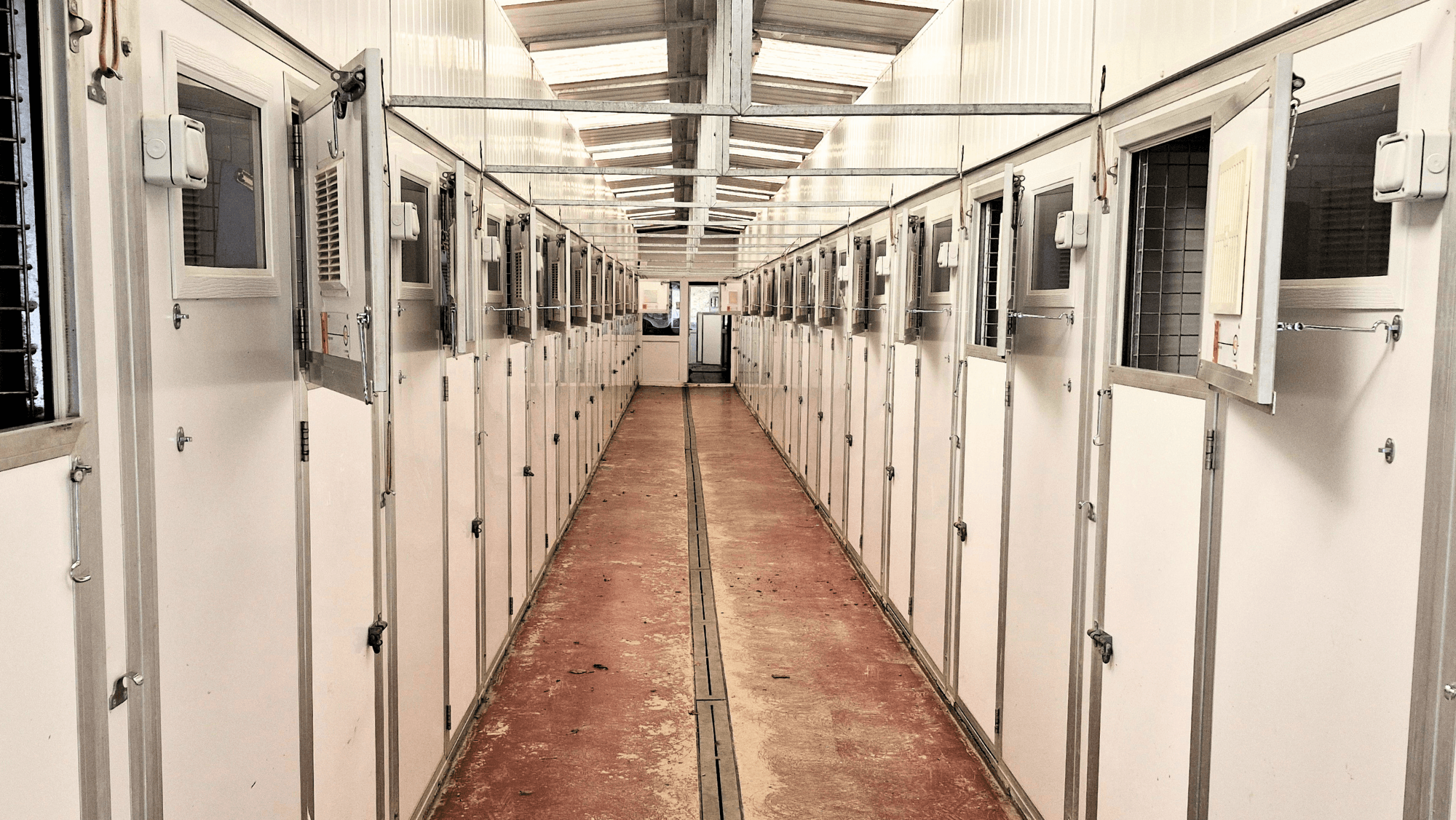
Animal Rescue Cumbria is redeveloping Higher Rowell Farm in Milnthorpe into a purpose-built animal welfare and rehoming centre, with the aim to become an RSPCA accredited sanctuary. PSA was appointed to carry out a RIBA Stage 1 feasibility study covering mechanical and electrical services, identifying a fully electric, low-carbon strategy to replace the site’s existing oil and LPG heating. With no mains gas available, the proposed solution centres on air source heat pumps, a 30–40 kWp solar PV array, and a DNO-upgraded three-phase electrical supply. The study also identifies a private well water supply as a practical way to reduce running costs.
CLIENT: Animal Rescue Cumbria (The Wainwright Shelter)
VALUE: £2.2m
LOCATION: Milnthorpe, Cumbria
SERVICES: Feasibility and M&E Design & Renewable Energy Consultancy
CLIENT OBJECTIVES
Animal Rescue Cumbria had a clear brief: replace a tired collection of farm buildings and repurpose them into a modern animal welfare facility, with kennels, cattery, grooming and hydrotherapy pods, education spaces, and income-generating services all on a single site. Long term the site is aiming to be an RSPCA accredited animal sanctuary. The charity wanted to move away from its reliance on oil and LPG heating, not just for environmental reasons, but because ongoing fuel costs were a real concern for a charity operating on tight margins. They needed a credible, independently assessed M&E strategy to support the planning process and underpin future funding bids. Alongside the energy question, the client wanted honest, practical advice on what the site’s electrical infrastructure could realistically support, and what it would cost to upgrade it. Future-proofing mattered too, with EV charging, battery storage and building automation all on the horizon, the design needed room to grow without expensive rework.
OUR SOLUTION
PSA prepared a full RIBA Stage 1 M&E feasibility study covering heating, hot water, ventilation, electrical distribution, fire safety, data, and renewable energy. The study sets out a clear low-carbon strategy for the site and provides the client with budget costs, annual running cost estimates, and a list of recommended next steps ahead of Stage 2. Key design elements include:
- Five inverter-driven air source heat pumps to serve the farmhouse, cattery, kennel blocks, and shippen — covering a total estimated heat demand of 32 kW
- A 30–40 kWp solar PV array on south and east-facing roofs, offsetting a meaningful proportion of the site’s annual electricity use
- Application to Electricity North West for a new three-phase 40 kVA underground supply, replacing the existing overhead single-phase connection
- A private well water supply with a treatment system to drinking water standard, reducing dependency on mains supply
- Dedicated sub-distribution boards in each building, with space for future circuit expansion and sub-metering
- Tailored ventilation strategies — passive where appropriate, mechanical extract in kennels, cattery, grooming and hydrotherapy areas
- Provision for battery storage, EV charging, and a future ground source heat pump within the electrical and plantroom layouts
The main challenge on this project was the site’s complete absence of mains gas and the limitations of the existing single-phase electrical supply. A full all-electric strategy only works if the grid connection can support it, so securing the DNO upgrade, and confirming it is deliverable within the project programme, was central to everything else.
THE OUTCOME
The study provides Animal Rescue Cumbria with a fully costed M&E strategy. The total estimated annual electricity costs of £27,000 and servicing costs of £5,300. Solar PV, generating 30–40 kWp, is forecast to offset a significant share of the 109,000 kWh annual electricity demand, and the all-electric approach eliminates ongoing oil and LPG costs entirely. Grid carbon emissions are estimated at 21 tCO2 per year. Est. annual electricity cost of £27k/yr.