

October is Careers in Construction Month, but for building services engineering, the conversation needs to go beyond recruitment.
The profession sits at the centre of some of society’s biggest challenges. Decarbonising buildings, reducing energy consumption, improving healthcare estates, enhancing building performance and supporting the transition to net zero all depend on skilled engineers, designers, consultants and specialists.
Yet despite the growing importance of building services engineering, many young people are still unaware it exists as a career option.
The question is no longer whether the industry needs more people. The question is whether we are doing enough to attract them.

Why building services has a talent challenge
It would be easy to assume the problem is a lack of work. The reality is quite the opposite.
Construction output is forecast to continue growing over the coming years, driven by investment in housing, infrastructure, building improvement and energy reduction. Demand for repair and maintenance services is also expected to continue rising, supported by retrofit programmes, energy efficiency improvements and the transition to low-carbon buildings.
The challenge is not a shortage of projects. It is a shortage of people.
Approximately 2.15 million people work across the construction industry, yet there were more than 140,000 vacancies reported across the sector in 2023. Research also shows that skills shortages are increasing, with more employers reporting difficulty finding people with the right skills, qualifications and experience.
For building services engineering, these pressures are particularly significant. Delivering high-performing buildings requires specialist expertise in mechanical, electrical, controls, energy and low-carbon technologies. These roles take years to develop, making workforce planning critically important.
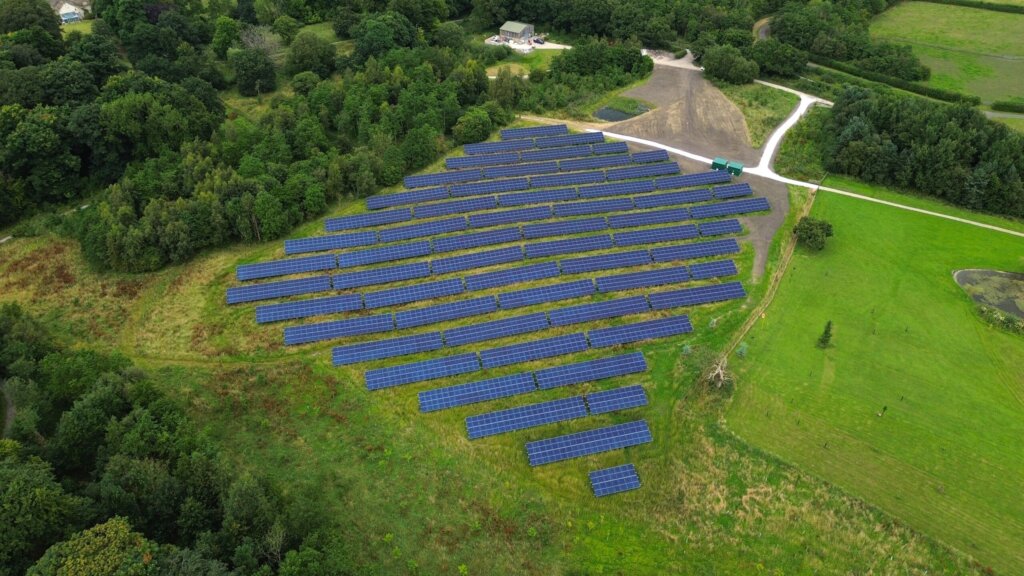
Careers in Construction: A profession facing an ageing workforce
One of the biggest challenges is demographic.
Around 35% of people currently with careers in construction are over 50 years old, while only around one fifth of the workforce is under 30. Some estimates suggest that up to 750,000 workers could retire from the industry by 2036.
This creates a significant knowledge gap.
Building services engineering relies heavily on experience. Understanding how systems operate in practice, how buildings are maintained and how engineering decisions affect long-term performance is knowledge that develops over time.
As experienced professionals leave the sector, that expertise must be replaced. However, the pipeline of new entrants is not currently growing at the same pace.
The issue is not only replacing numbers. It is replacing knowledge.
The impact of COVID-19 is still being felt
The workforce challenges facing the industry did not begin with COVID-19, but the pandemic intensified existing pressures.
COVID-19 disrupted both entry into and retention within construction. Apprenticeship starts fell to 20,200 in 2020/21, while the construction workforce contracted by 7% between March and December 2020. Self-employment fell by 14% between 2019 and 2021, and the number of construction workers entering the UK from overseas fell by around 25,000 in 2020.
At the same time, training provision was disrupted. The proportion of employers providing workforce training fell from 67% before the pandemic to 42% during 2021.
Many organisations are still rebuilding talent pipelines affected during this period.
Do young people know building services engineering exists?
This may be the industry’s biggest challenge.
Most students understand what a doctor does. Most can describe the role of an architect, software developer or accountant. However, ask the average school leaver what a building services engineer does and many would struggle to answer.
Yet building services engineers design the systems that make buildings function. They influence how hospitals operate, how schools are heated, how workplaces consume energy and how buildings achieve net zero targets.
The profession plays a critical role in modern society. However, it often remains hidden behind the finished building.
The challenge may not simply be attracting talent. It may be visibility.
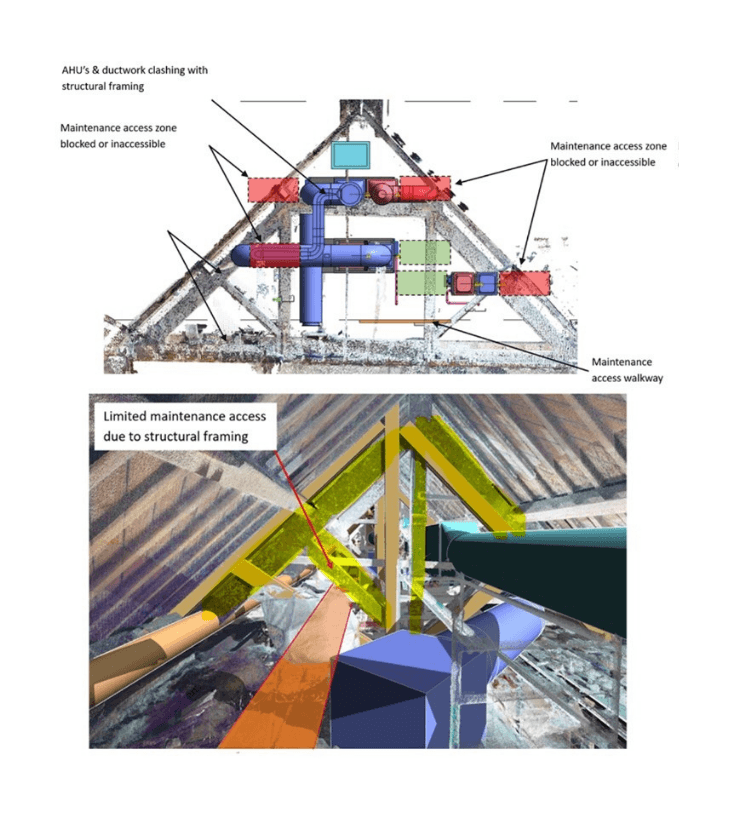
Is building services competing with every other career in construction?
Today’s students have more career choices than ever before.
Technology companies, digital industries, gaming, financial services and media organisations actively promote career opportunities through social media, outreach campaigns and educational programmes.
Careers in construction and engineering have not always communicated their opportunities as effectively.
Interestingly, many trade professions have developed strong online communities. Young people can easily find content showing what electricians, joiners, bricklayers and plumbers do on a daily basis. They can see projects being delivered, skills being developed and careers progressing.
Building services engineering has not always enjoyed the same visibility.
Research into construction skills shortages highlights the importance of raising awareness of career opportunities, making role models more visible and improving careers advice for young people.
If students are not exposed to the profession, they cannot choose it.
What makes building services engineering an attractive career in construction?
The irony is that building services engineering has never been more relevant.
The profession sits at the intersection of technology, sustainability, engineering and problem-solving.
Today’s engineers are working on:
- Net zero strategies
- Heat pumps and low-carbon heating systems
- Renewable energy technologies
- Smart building controls
- Building performance optimisation
- Healthcare decarbonisation projects
- Digital engineering and building information modelling
Government forecasts suggest that around 230,000 additional skilled workers will be needed to support retrofit activity by 2030. The UK’s ambition to install 600,000 heat pumps annually is expected to require more than 30,000 additional qualified workers. Research also suggests that nearly 30% of construction jobs will require upskilling to support the transition to net zero.
For young people interested in technology, sustainability and engineering, building services offers an opportunity to work on some of the most important challenges facing the built environment.
Why experience still matters
Technology continues to transform the profession, but technology alone does not create successful buildings.
Engineers must understand how systems are installed, operated and maintained. They must balance performance, cost, practical delivery and long-term operational requirements.
This is why mentoring, apprenticeships, work experience and knowledge sharing remain so important.
The future of building services depends on transferring knowledge from one generation of professionals to the next.
Addressing the challenge requires collective action
There is often discussion about the industry’s skills shortage as though someone else will solve it.
The reality is different.
Every consultant, contractor, manufacturer, college, university and professional institution has a role to play.
If every organisation committed to supporting one apprentice, one work experience placement, one graduate or one mentoring relationship, the collective impact would be significant.
The future workforce will not appear overnight.
It will be created through the actions the industry takes today.

Supporting careers at PSA
At PSA, we recognise that attracting future engineers starts long before someone applies for a role.
Through our involvement with the Lancashire Skills Pledge, engagement with schools and colleges, work experience placements and partnerships with organisations including Preston College, Runshaw College, Carlisle College, the University of Central Lancashire and the University of Cumbria, we aim to raise awareness of careers within building services engineering and the wider built environment.
We believe improving awareness is just as important as recruitment.
Young people cannot aspire to careers they have never encountered.
By helping students understand what building services engineers do, the projects they contribute to and the impact they can have, we can help broaden the talent pipeline for the future.
Building skills for the future
The building services sector does not face a shortage of opportunity.
Demand continues to grow. Buildings are becoming more complex. Decarbonisation is creating entirely new skills requirements. The need for engineering expertise has never been greater. Which in turn makes it a well paid profession too, the average experienced engineer earning £40-50k.
The challenge is ensuring enough people understand the opportunity.
Perhaps the future of building services is not only about addressing a skills shortage.
Perhaps it is about making the profession hard to overlook.
Sources
- CITB Construction Skills Network Forecasts
- Building Futures: Tackling the Construction Skills Shortage
- CITB Industry Research Reports
- EngineeringUK
- Royal Academy of Engineering
- UK Government Net Zero Strategy – Heat pump workforce requirements
- Construction Leadership Council – Retrofit skills demand/Net Zero skills requirements
- The Careers & Enterprise Company
- Lancashire LMI Industry Profiles Design Development
- Lancashire LMI Industry Profiles Architectural Technologist
- PSA Blog: TLevel Placement Fabian Completes his hours