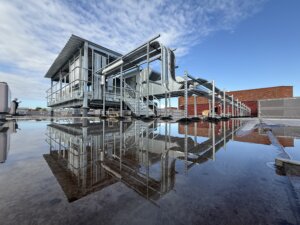
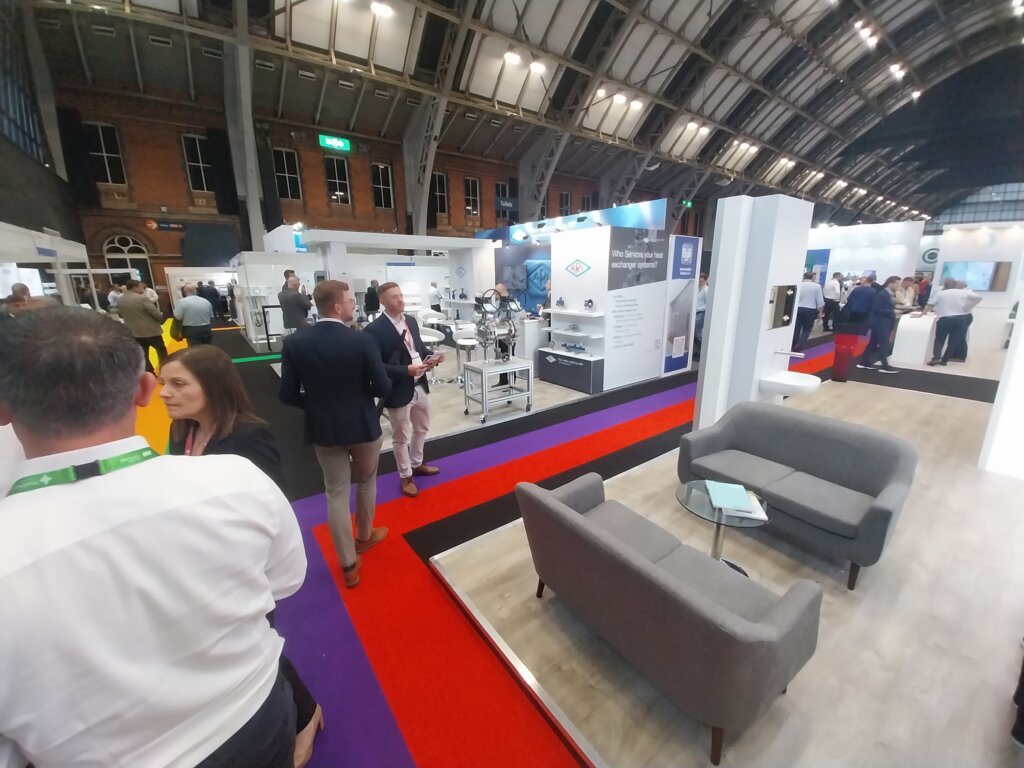
Our team attended the IHEEM conference in Manchester at the end of 2025 and listened to the challenges faced by estates and capital teams within the healthcare industry. This article looks at the key themes that came out of the two-day conference and explores how healthcare teams can move from reactive to strategic management—even when the data, budget, or organisational support isn’t quite there yet.
The Reality You’re Working With
If you’re managing healthcare infrastructure—whether from an estates or capital perspective—you’ll recognise this situation immediately. Every day brings competing priorities, budget meetings, and targets that feel impossible to hit with available resources.
Critical systems need attention now. Boiler failures can’t wait. Electrical faults could shut down a ward. The backlog never seems to get shorter, and meanwhile there are capital programmes to deliver, business cases to prepare, and strategic objectives to meet.
Our team works with NHS Trusts daily across the health and social care sector, supporting both estates and capital teams. We see first-hand what everyone is dealing with. We’ve sat in those budget meetings with you. We’ve walked through plant rooms during emergency failures. We’ve watched dedicated professionals work weekends to keep critical systems running whilst others are developing business cases and navigating approval processes.
This article acknowledges the real challenges both estates and capital teams face, and offers some straight-talking observations from what we’ve seen work in practice.
Understanding Today’s Landscape
Many healthcare buildings weren’t built for the demands being placed on them now. Some are decades old, running systems that were never designed for modern medical equipment or patient volumes.
Meanwhile, the teams managing these buildings—whether responsible for day-to-day operations or capital investment—are expected to keep everything running, hit Net Zero targets, maintain patient safety, and do it all with budgets that haven’t kept pace with inflation or the backlog of work.
Reactive approaches have become the norm because there’s often limited time or data to plan strategically. We understand the constraints everyone faces—we’re in these buildings with you, navigating the same pressures.
The path forward isn’t simple, but it starts with understanding exactly what’s holding teams back. Because once we can name the challenges clearly, we can start addressing them in order of priority.
The Real Challenges and What We’ve Seen Work
Let’s be honest about the barriers teams are facing, and then explore what we’ve actually seen succeed in practice.
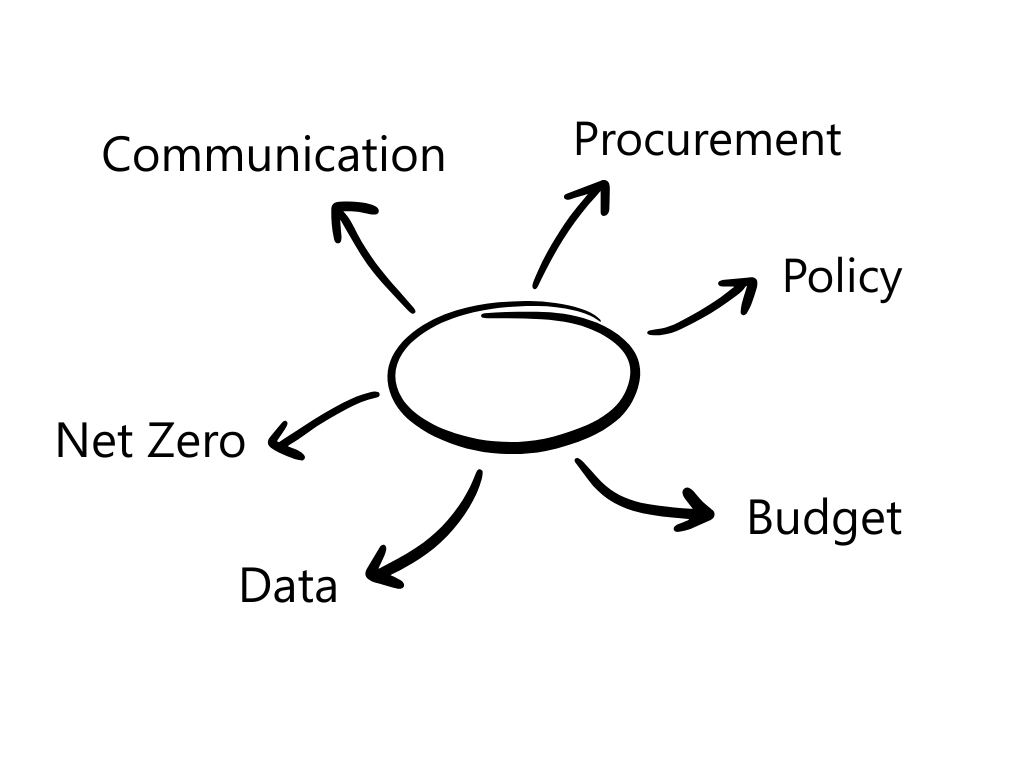
While at the conference we picked up the key challenges being faced by healthcare teams, they were:
1. The Data Challenge
The Problem:
Strategic prioritisation is much easier when you have complete information at your fingertips. We work with teams managing assets across multiple sites, and often the data has evolved over time—asset registers built up gradually, condition surveys completed at different points, information sitting in various systems that weren’t originally designed to work together.
When developing investment cases or deciding which projects take priority, having comprehensive, up-to-date data on asset condition, energy performance, and risk levels makes a significant difference. It’s the foundation for confident decision-making.
The challenge is that gathering and consolidating this information takes time—time that’s often in short supply when there are so many other demands. It’s not about what people know or don’t know; it’s about having the capacity to pull everything together into one clear picture.
What We’ve Seen Work:
The teams who’ve managed to shift from reactive to strategic have typically started by building their evidence base. We know this seems like another task on an already overwhelming list, but hear us out.
Proper feasibility studies and condition reports cost money upfront, but they provide the foundation for everything else. We’ve been in rooms where these reports have transformed conversations—suddenly it’s not just a request for funding, it’s a clear demonstration of exactly why investment is needed, what happens without it, and what the return will be.
A comprehensive condition survey shows exactly what assets are in place, what’s likely to fail and when, and what the consequences will be. With this information, it becomes possible to build a data-driven strategy that gets buy-in from finance directors and board members.
This evidence makes the difference when making your case. It’s not about creating reports that sit in a drawer—it’s about having the information needed to justify the decisions both estates and capital teams are already pushing for.
When we worked with Liverpool University Foundation Hospitals on their Broadgreen Hospital ward refurbishment, we were introduced to a new site with unfamiliar infrastructure. Having detailed technical assessments upfront meant we could design systems that integrated seamlessly with existing infrastructure, avoiding costly surprises during construction. We’ve experienced projects where this didn’t happen, and we’ve seen the consequences—budget overruns, delays, and people left picking up the pieces.
2. Budget Constraints and Business Cases
The Problem:
Limited budgets force short-term decisions across the board. When there’s only enough funding to patch things up, that’s what happens. The challenge is, temporary fixes cost more in the long run.
A repair might get you through this financial year, but it’ll fail again, probably at the worst possible time. This cycle is expensive and exhausting for everyone involved. Capital teams are trying to secure funding for solutions whilst estates teams are managing the consequences of deferred investment.
We understand the frustration of knowing what needs to happen but not having the budget to do it properly. It’s a reality that creates tension between operational demands and strategic objectives.
What We’ve Seen Work:
When presenting investment cases, the teams who get approval tend to show the full picture. We understand what gets traction with finance directors and board members.
An old boiler replacement isn’t just a capital cost—it reduces energy spend, cuts carbon emissions, improves reliability, and reduces maintenance callouts. Over ten years, the savings often dwarf the initial investment.
Using data to demonstrate the cost of doing nothing can be powerful. What’s the risk if this system fails? What’s the cost of emergency repairs versus planned replacement? What’s being spent on inefficient systems that could be saved with an upgrade?
The finance people need the numbers. The challenge is often finding the time and resources to pull that evidence together in the first place. This is where we’ve been able to step in and support teams who simply don’t have the capacity to compile this information themselves.
3. Long-Term Planning vs Immediate Demands
The Problem:
Most teams have a clear view of where the estate should be in five, ten, fifteen years. We’ve had these conversations—people can describe the ideal future in detail. The difficulty is finding the time and resources to translate that knowledge into formal strategies that secure buy-in and funding.
When you’re dealing with constant reactive demands on one side and approval cycles on the other, strategic planning gets squeezed out. There’s a gap between what estates teams know needs doing operationally and what capital teams can get approved and funded.
What We’ve Seen Work:
When teams do get the breathing space and support to develop proper long-term plans—estate strategies that look beyond the next budget cycle, planned preventative maintenance programmes, phased replacement programmes—it makes a tangible difference.
We’ve seen teams go from spending the majority of their time firefighting to having actual control over their workload. The challenge is creating that space in the first place when you’re dealing with constant reactive demands.
Collaborative planning that brings operational knowledge and strategic investment together tends to deliver the best results. When estates insight informs capital planning, and capital programmes are designed with operational realities in mind, everyone benefits.
4. The Communication Gap
The Problem:
There’s often a disconnect between what’s happening on the ground and what decision-makers understand. The brief doesn’t always match the reality. When senior management isn’t close to day-to-day operations, priorities can get skewed.
From our experience working across multiple trusts, this is one of the most common barriers. Estates teams know what needs doing operationally. Capital teams understand the strategic objectives and approval processes.
This isn’t about pointing fingers—it’s a structural challenge that creates frustration for everyone involved. You shouldn’t need to be a communications expert on top of everything else you’re managing.
What We’ve Seen Work:
When everyone understands both the operational pressures and strategic constraints, decisions tend to get made faster and more effectively. The difficulty is often finding the time to make this happen when everyone is already stretched.
From our experience, having an external technical partner in these conversations can sometimes be a bridge to translate objectives into language that resonates with board-level decision-makers.
5. The Net Zero Challenge
The Problem:
Achieving Net Zero isn’t optional anymore, but it’s another demand on already stretched resources and budgets. Upgrading building systems to be more efficient requires significant capital investment, and it’s hard to make the case when teams are struggling to keep existing systems operational.
We’ve been in planning meetings where Net Zero targets are being discussed while someone is simultaneously dealing with a critical heating failure. The disconnect between strategic objectives and operational reality is very real.
What We’ve Seen Work:
As many Trusts are finding, achieving Net Zero cannot be done overnight, and trying to do everything at once rarely works. The teams making progress have typically identified the quick wins first—LED lighting upgrades, building management system optimisation, improved controls—that deliver carbon savings without massive investment.
Then the bigger projects—heating system replacements, building fabric upgrades—get planned as part of the long-term estate strategy. Many of these pay for themselves through energy savings over time, which helps make the business case to finance teams.
On one particular project where we completed an extension, the trust needed to source 15% of carbon usage from renewable sources. Rather than a single expensive solution, we explored multiple options—from redirecting waste heat from the existing CHP to potential solar PV installations. This phased approach meant sustainability targets could be met without derailing the project budget.
6. Policy and Procurement Realities
The Problem:
Procurement processes take time, and rightly so—proper governance matters. The challenge is that urgent issues don’t wait for approval cycles. By the time necessary stages are worked through, priorities can shift or new emergencies emerge.
We’ve watched viable projects get delayed so long that by the time approval comes through, the situation has changed entirely. This creates frustration for estates teams managing failing assets and capital teams trying to deliver programmes.
Healthcare also faces increasingly complex compliance requirements—from HTM standards to water safety policies to electrical safety audits. These aren’t optional, but they add layers of demand on teams already stretched thin. We navigate these same requirements on every project, and we know how much time they consume.
What We’ve Seen Work:
While procurement and compliance requirements can’t be bypassed, understanding these processes and building them into planning helps reduce delays. When everyone understands the timeline and requirements from the start, expectations are better managed.
Having expert support to navigate HTM compliance, prepare technical documentation, and ensure projects meet regulatory requirements can take pressure off internal teams. We’ve worked with trusts to streamline these processes whilst maintaining proper governance, helping both estates and capital teams deliver projects more efficiently.
Where We Come In
At PSA, we partner with both estates and capital teams across the NHS and private healthcare sector—from providing technical designs for new ward spaces to delivering ongoing trusted Authorising Engineer support. We sit in the middle, understanding the pressures on both sides.
We understand the constraints everyone faces because we’re in these environments with you every day—navigating tight budgets, working within active hospital settings, dealing with the same procurement processes, and finding practical solutions that meet both safety standards and financial constraints.
We provide the feasibility studies, condition reports, and technical expertise that can give teams the evidence base they need. But more than that, we understand what you’re dealing with because we see it first-hand.
If you want to talk through your specific challenges—whether you’re managing day-to-day operations or planning capital investment—or find out how we might be able to help, get in touch.
Our Recent Healthcare Projects

Mental health building services design – Greater Manchester Mental Health Wentworth House

Mental Health Supported Accommodation (M&E) – Greater Manchester Mental Health Park House

Hospital Maternity and Bereavement Suite (M&E) – Royal Lancaster Infirmary

M&E Consultancy for Hospice – Zoe’s Place Liverpool
Hospital Refurbishment for NHS Mental Health Facility – MEP Consultancy