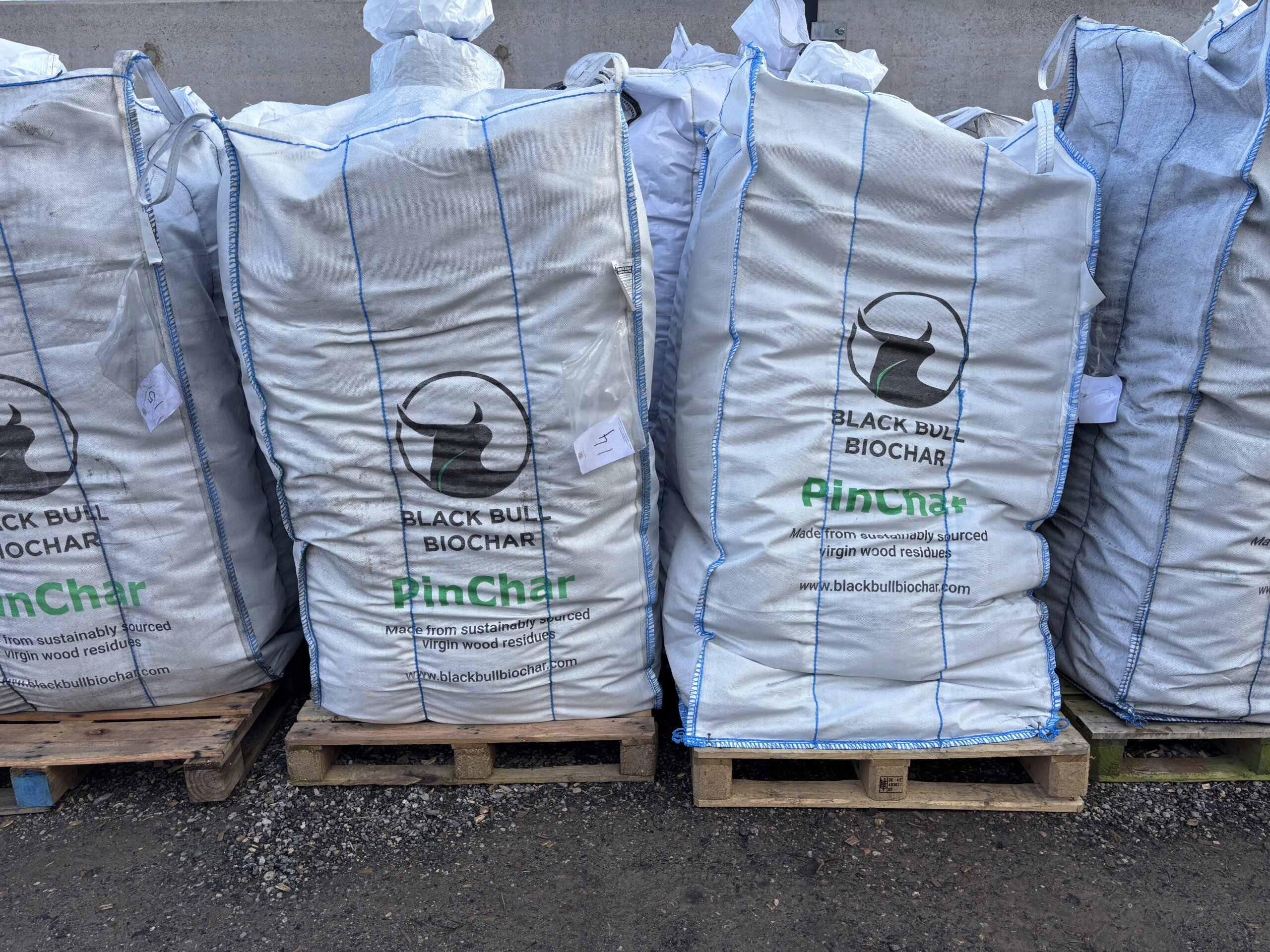
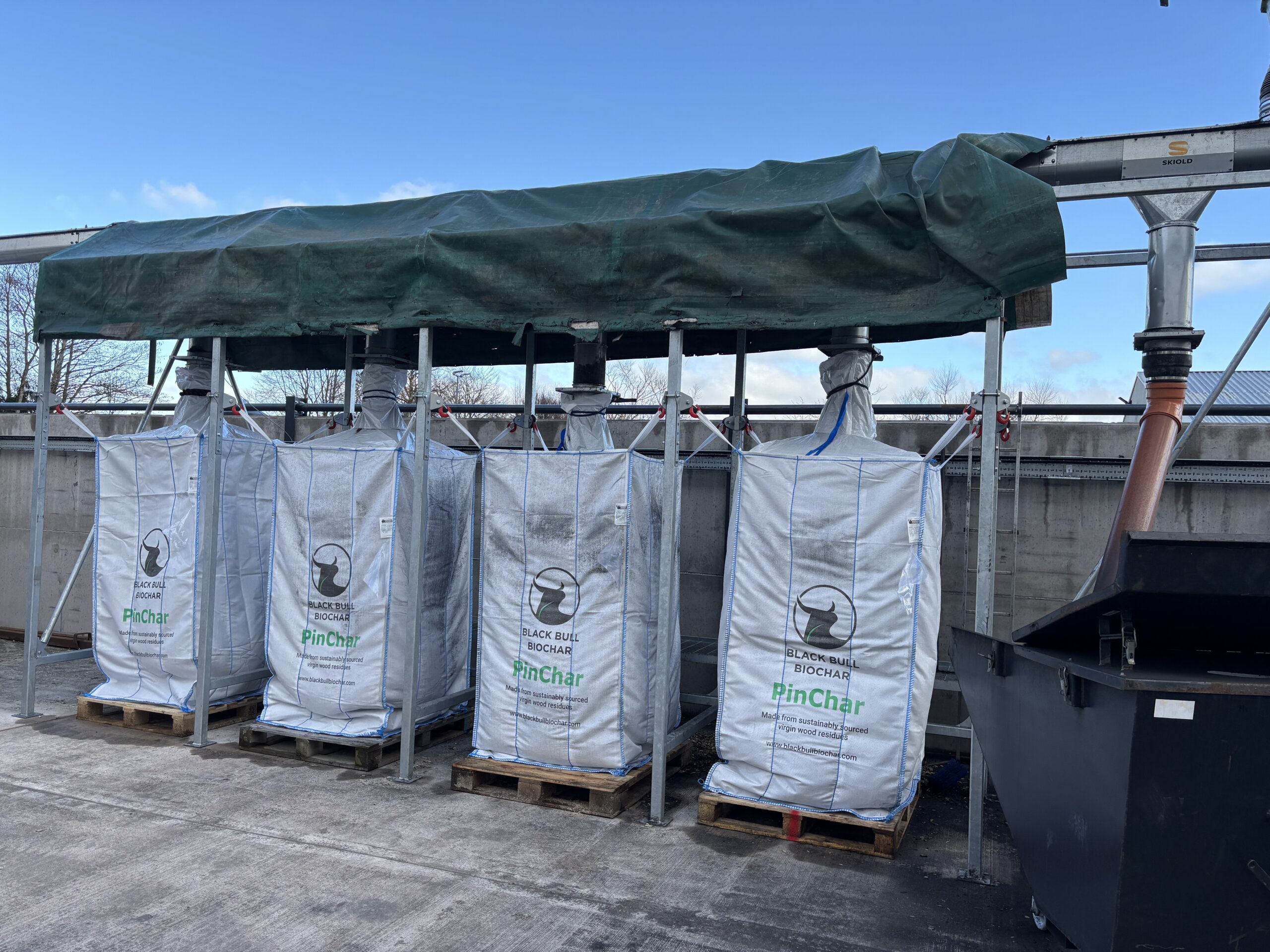
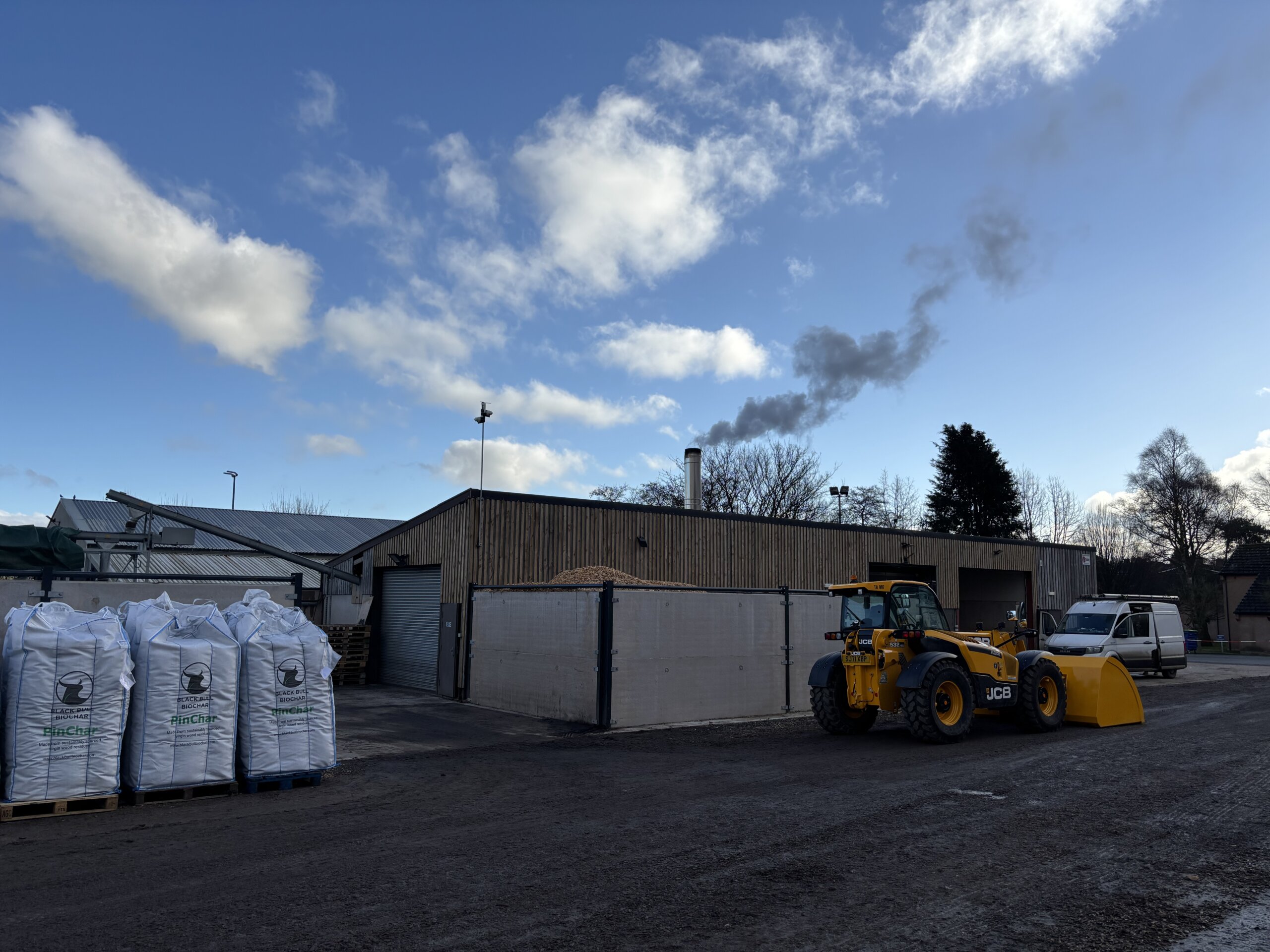
At the ex-farming college site at Newton Rigg, we designed the mechanical systems for an innovative biomass heating solution that transformed the way the sports hall and office block are heated. The project went beyond simple cost savings, creating a sustainable revenue stream through the production and sale of biochar. Furthermore, by designing a comprehensive district heating network powered by wood-burning technology, we helped our client achieve both environmental and financial benefits, whilst taking advantage of government carbon incentives. In addition, the system’s clever design allows operators to collect and process charcoal by-products, dry them, and sell them to farmers as valuable soil fertiliser.
CLIENT: Newton Rigg
LOCATION: Penrith, Cumbria
SERVICES: Mechanical Design, Energy Consultancy
SECTOR: Industrial
CLIENT OBJECTIVES FOR BIOMASS HEATING SYSTEM
The client approached us with a clear vision for the former Newton Rigg College buildings, now operating as a sports hall and office block. It sought to reduce its heating costs through a biomass system. However, the client also recognised an opportunity to generate additional revenue from the system’s by-products. At the same time, the client wanted to maximise the potential of government carbon incentives whilst creating a sustainable heating solution. In particular, the client was interested in the possibility of producing biochar, a valuable agricultural product, as part of the heating process.
OUR BESPOKE SOLUTION FOR BIOMASS HEATING SOLUTION
To achieve the objectives, we designed a comprehensive district heating network that connects both buildings through an efficient biomass system. At the centre of the system, a wood-burning boiler that generates heat whilst producing valuable by-products. Our technical designs encompassed:
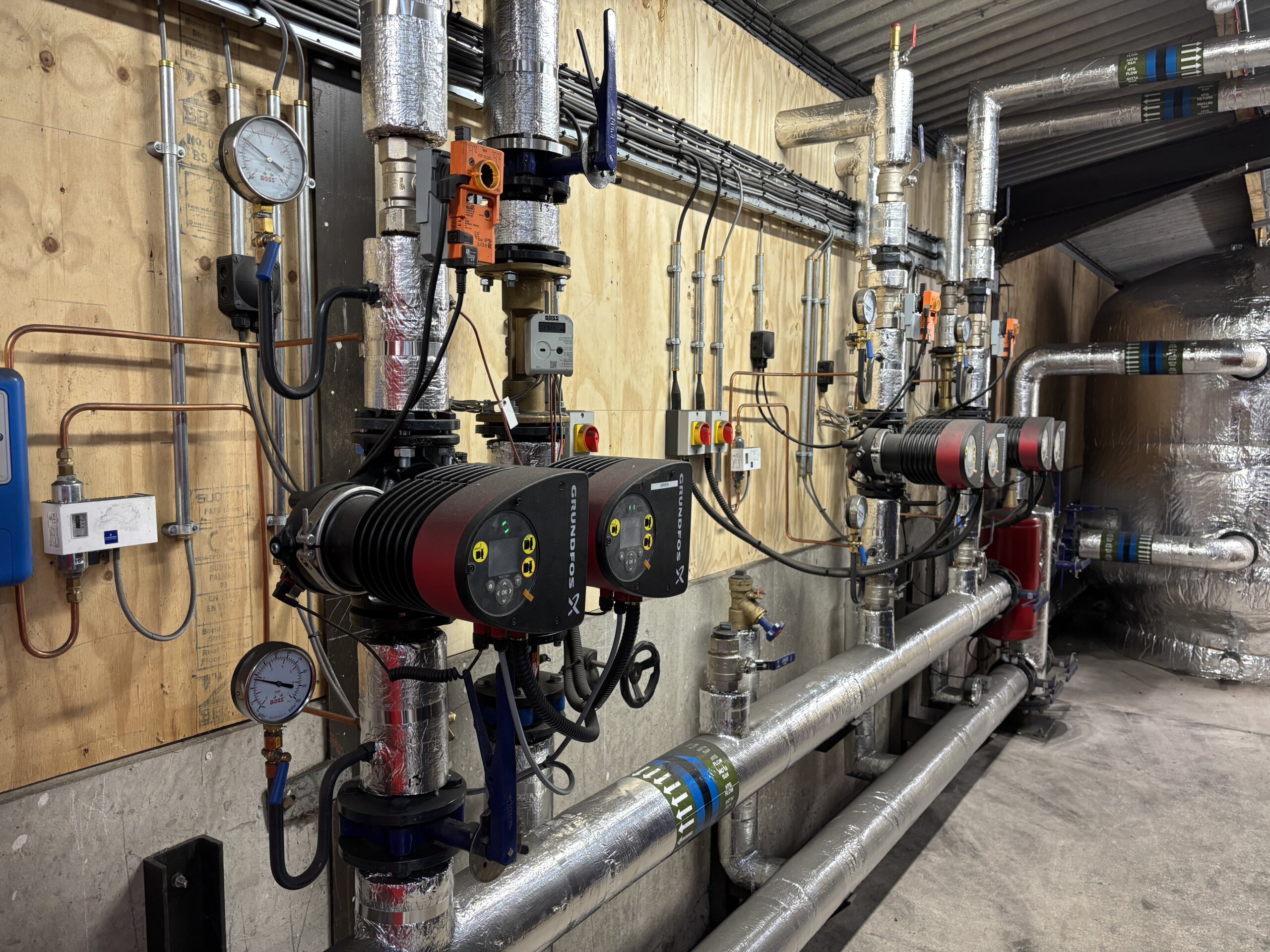
- Complete district heating network schematics
- Wood-burning boiler system integration
- Heat distribution pipework configuration
- By-product collection and processing system
- Biochar drying facility utilising excess boiler gas
- Building connection and control systems
THE OUTCOME
As a result, the completed system delivers reliable heating to both buildings whilst producing marketable biochar as a by-product. Consequently, the client now benefits from reduced heating costs, government carbon incentives, and a new revenue stream from biochar sales to agricultural customers. Ultimately, this sustainable solution demonstrates how thoughtful engineering can deliver both environmental and financial benefits.